
Receiving a cancer diagnosis can be a difficult and uncertain time for patients and their families. During this process, choosing the right hospital is as important as choosing the right treatment. However, when selecting a hospital, it is important to consider not only the hospital’s reputation or name, but also whether it has the facilities and medical expertise appropriate for the patient’s type of cancer and individual needs.
1. Research the hospital’s expertise in your type of cancer
Each type of cancer has a different diagnosis and treatment process. It is important to determine whether the hospital has oncologists and relevant surgical specialists who have experience with the specific type of cancer. Especially in rare or complex cases, having a medical team experienced in the relevant field can be an important consideration.
2. Evaluate the multidisciplinary treatment approach
Cancer treatment is often not a process managed by a single doctor. Specialists in medical oncology, radiation oncology, surgical oncology, radiology, and pathology may need to work together. Therefore, the presence of a multidisciplinary tumor board can be an important criterion when choosing a hospital.
3. Examine diagnostic and technological infrastructure
Accurate diagnosis is extremely important for developing the right treatment plan. Patients should research whether the hospital has advanced imaging systems, pathology laboratories, access to molecular and genetic testing, and advanced diagnostic methods when necessary.
4. Compare treatment options
Cancer treatment may include surgery, chemotherapy, radiotherapy, immunotherapy, targeted therapies, and, in some cases, clinical trials. The same treatment is not suitable for every patient. It is therefore important that the hospital has the infrastructure and expertise to evaluate treatment options according to the patient’s individual condition.
5. Consider getting a second opinion
After receiving a cancer diagnosis, obtaining a second opinion from another specialist or medical center can help patients better understand their options, especially before making important treatment decisions. Having medical records and test results reviewed by another specialist can provide a more comprehensive perspective on the treatment plan.
6. Consider the entire treatment process
When choosing a hospital, patients should look beyond surgery or medication-based treatment and also consider the follow-up process after treatment. Services such as regular check-ups, management of possible side effects, nutritional support, psychological support, and palliative care when necessary can make the patient’s treatment journey easier.
7. Consider additional criteria when seeking treatment abroad
For patients considering traveling to another country for cancer treatment, additional factors may become important. These include the hospital’s international patient department, foreign language support, clear presentation of the treatment plan, and assistance with accommodation and transportation. Before treatment, patients should make sure they clearly understand which services will be provided, under what conditions, and at what cost.
Conclusion
When choosing a hospital for cancer treatment, it is important to evaluate several criteria together, including medical expertise, a multidisciplinary approach, technological infrastructure, treatment options, access to a second opinion, patient safety, and follow-up care.
The right hospital is not always the largest or most well-known hospital. What matters is choosing a healthcare facility with the experience, expertise, and medical facilities appropriate for the patient’s type of cancer and individual treatment needs.
Related Articles
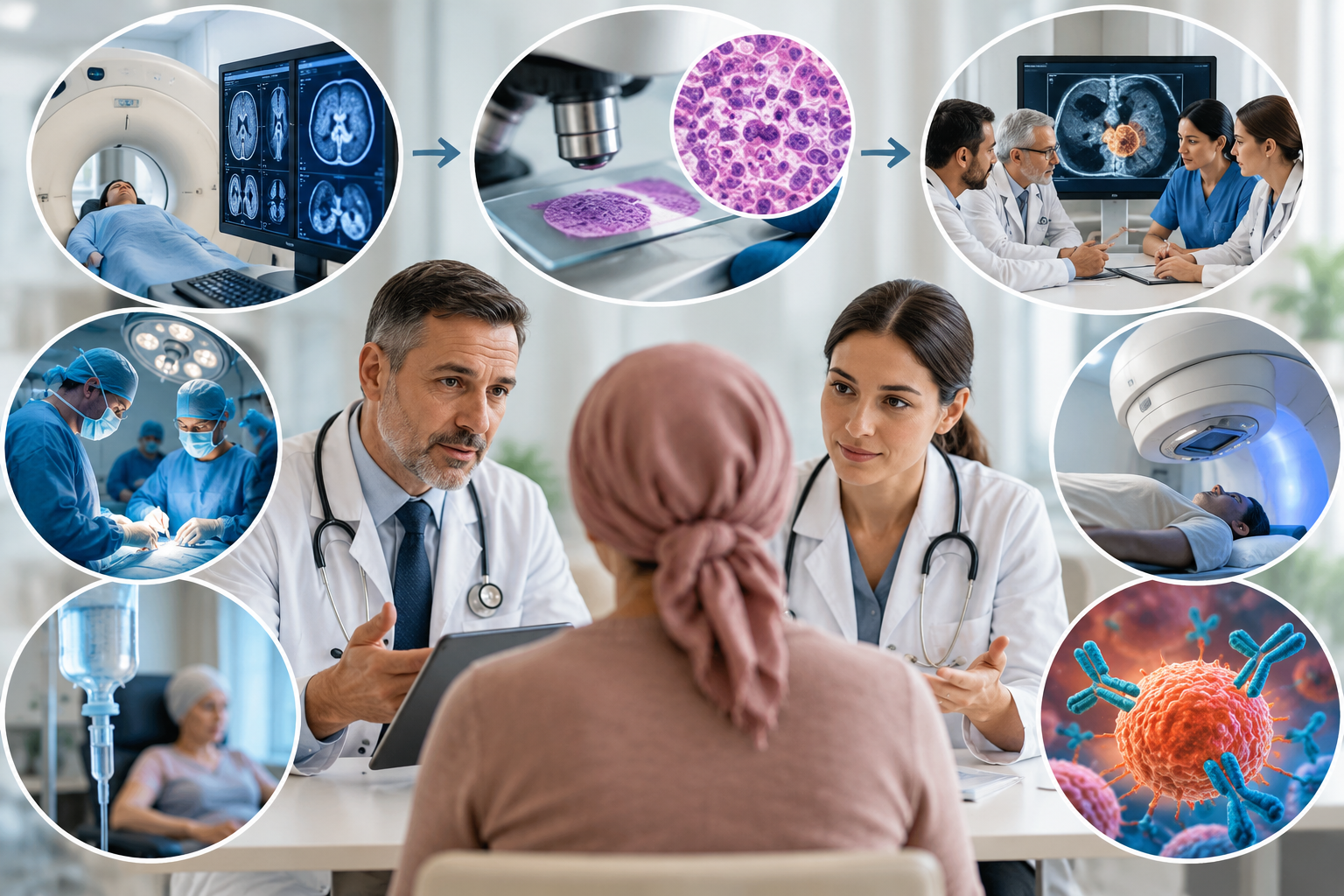
Why Is a Second Opinion Important in Cancer Treatment?
Getting a second medical opinion about a cancer diagnosis and treatment plan can help patients better understand their condition and evaluate their treatment options more comprehensively.
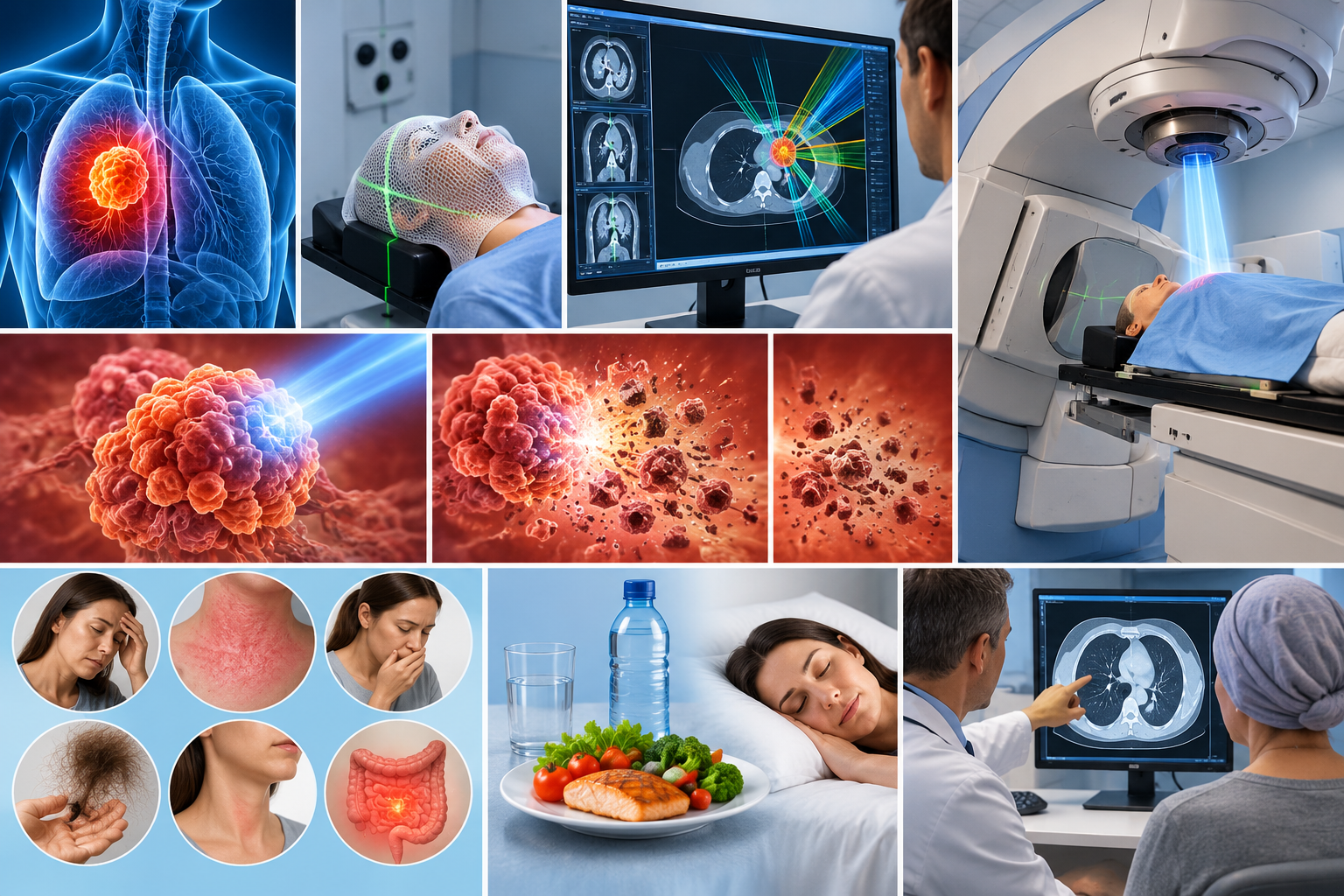
What You Need to Know About Radiotherapy
Radiotherapy is an effective cancer treatment that uses high-energy radiation to destroy cancer cells or stop them from growing. The treatment process, possible side effects, and precautions may vary from person to person.